|


 |
 |
 |
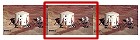 |
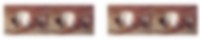
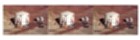
| Step 1. | Step 2. | Step 3. | Step 4. |
Look at the image, (Step 1), and slowly bring your eyes out of focus. This causes the image pair to shift, (Step 2), since usually your eyes will cross as they go out of focus. You will see two fuzzy, out-of-focus image pairs. Slowly bring the image back into focus and watch as the images move towards each other. When the pair overlaps each other, (Step 3), it will look like three fuzzy images. Concentrate on the center image and try and bring it into focus without the images moving back together, (Step 4). If you succeed, you will see a center image in 3-D!
Another method is to hold a finger a short distance in front of your eyes and stare at it. In the background you should see two copies of the stereo pair, giving four views altogether. Move your finger away from you until you see the middle two of the four images come together. You should now see just three images in the background. Try to direct your attention slowly toward the middle image without moving your eyes, and it should gradually come into focus.
Return to the MSOR Home Page